Structured cabling: the decision you only make once
The cheapest part of your network to install, and by far the most expensive to change.
· 2 min read
Cabling is the least interesting line on an IT quote and the one we argue about most. The reason is simple: everything else in the network can be swapped out over a weekend. The cable in the walls is there until the building is refitted.
Why saving money here rarely works
The cable itself is a small fraction of an installation. Most of what you pay for is labour — pulling runs, dressing them into patch panels, testing and certifying each one. Choosing a lower specification saves a little on materials and nothing on labour, and commits you to the consequences for a decade.
| Category | Realistic speed | Sensible for |
|---|---|---|
| Cat5e | 1 Gbps | Existing installs that still certify. Not worth installing new. |
| Cat6 | 1 Gbps, 10 Gbps to 55 m | The sensible default for most offices. |
| Cat6A | 10 Gbps to 100 m | Wi-Fi 6E/7 access points, dense floors, anything you want to last 15 years. |
What separates a good install from a bad one
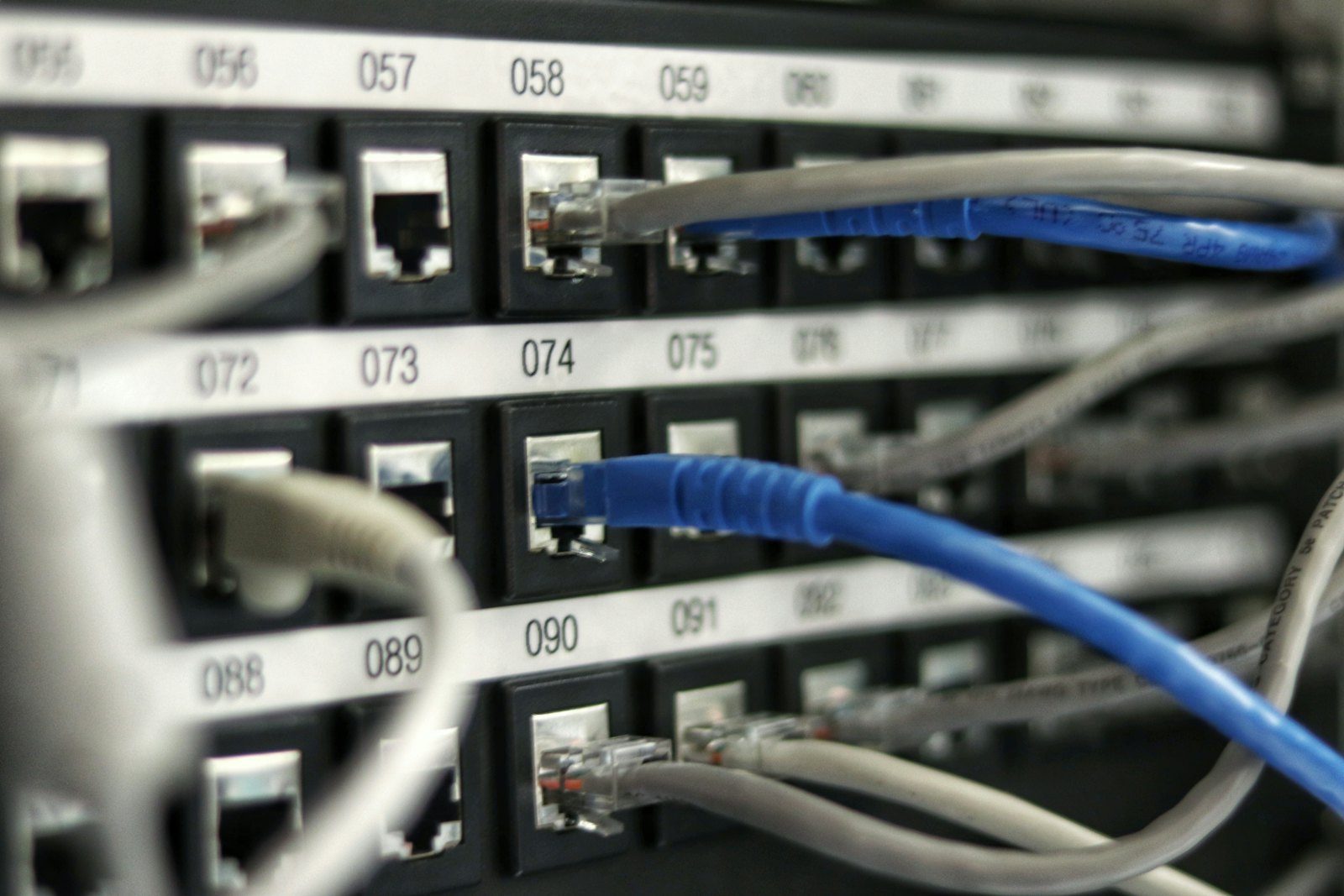
Every run is tested and certified. Not "it works" — a certification report from a proper tester, per outlet, handed over as a document. Without it you have no idea whether a run will carry what it claims when you finally need it to.
Labelling that matches at both ends. It sounds trivial until you are tracing an unlabelled cable through a ceiling void at 8pm because nobody wrote on it.
Enough outlets. Adding a single outlet later costs a significant fraction of what a whole floor's worth costs during the first fit. Put in more than you need.
Separation from mains. Data run alongside power picks up interference. Any competent installer knows the separation distances; not all of them respect them when a route is awkward.
Ask to see the certification reports from a recent job before you appoint anyone. A contractor who certifies properly will be pleased you asked. One who does not will tell you it is unnecessary.
Wireless does not remove the need
Every access point terminates in a cable. Better wireless means more access points, in more places, each needing a run and increasingly needing Cat6A to carry both the data and the power. Good Wi-Fi is a cabling project with radios on the end of it.
Installing into a working building
Most of our cabling work happens in premises that cannot stop — hotels, schools, clinics, manufacturing floors. That is a scheduling problem more than a technical one: agree the phases up front, work around the hours that matter, test each segment before moving on, and leave the site usable at the end of every shift. It takes longer on paper and causes far less disruption in practice.
Filed under