Most CCTV is useless after an incident. Here is why.
Cameras are the easy part. Everything that makes footage usable is the part people skip.
· 3 min read
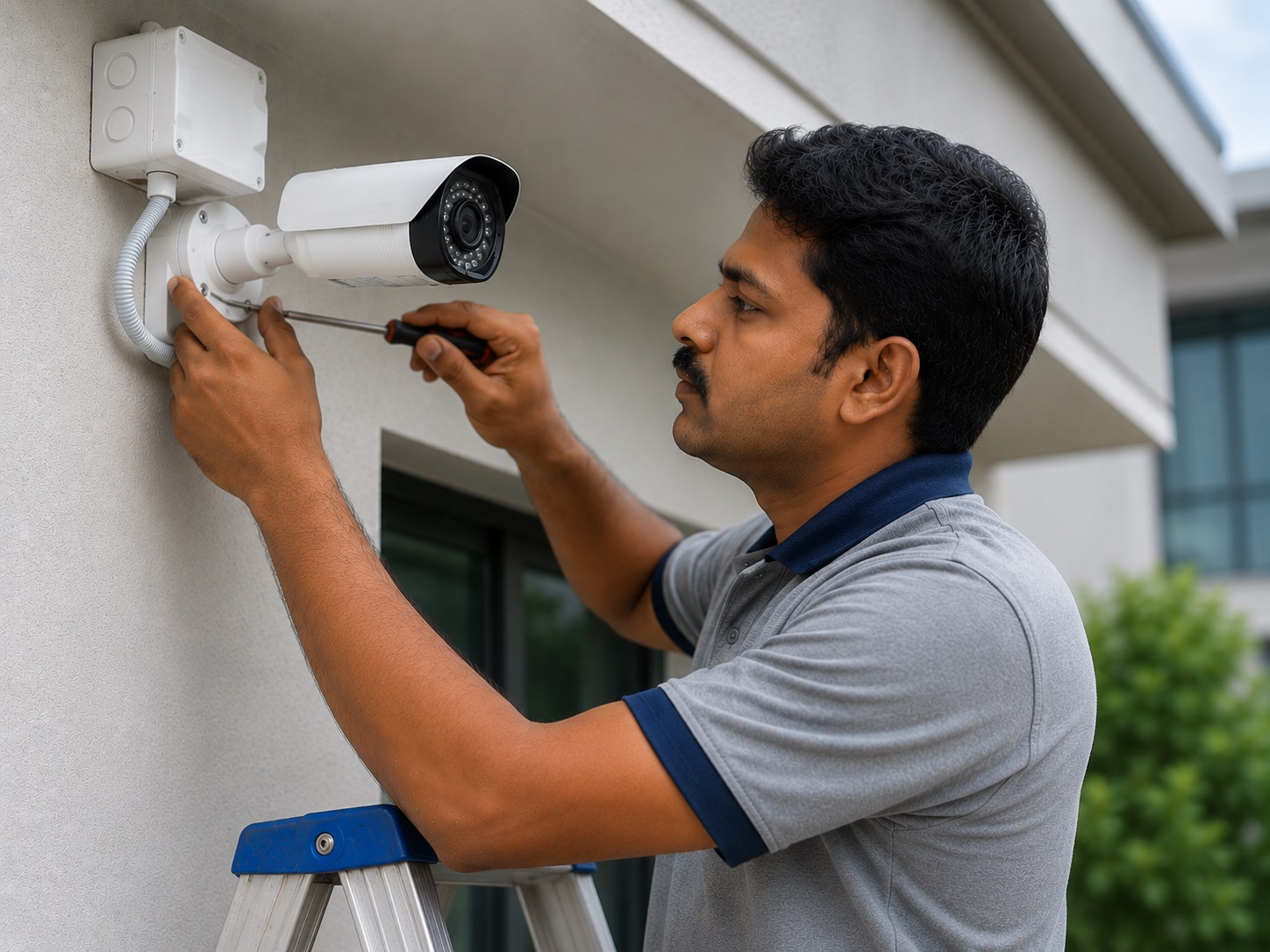
The call we get is always after the fact. There has been a theft, or a dispute, or an insurance claim, and someone has gone to pull the footage. More often than we would like, what comes back cannot be used.
The cameras were fine. Everything around them was not.
The five failures we see most
The retention was too short. Stock shrinkage and internal theft are usually noticed weeks after they start. A system keeping seven days of footage cannot help you. Thirty days is a sensible floor; some sectors need ninety.
The camera was pointed at the wrong thing. A wide shot of a whole car park identifies that a car was there. It does not give you a number plate. Identification needs a camera placed and focused for that specific job, at a choke point people have to pass through.
Backlight made faces unusable. A camera pointing at a glass entrance sees a silhouette all day. It is the single most common placement mistake, and it is obvious at survey time if anyone looks.
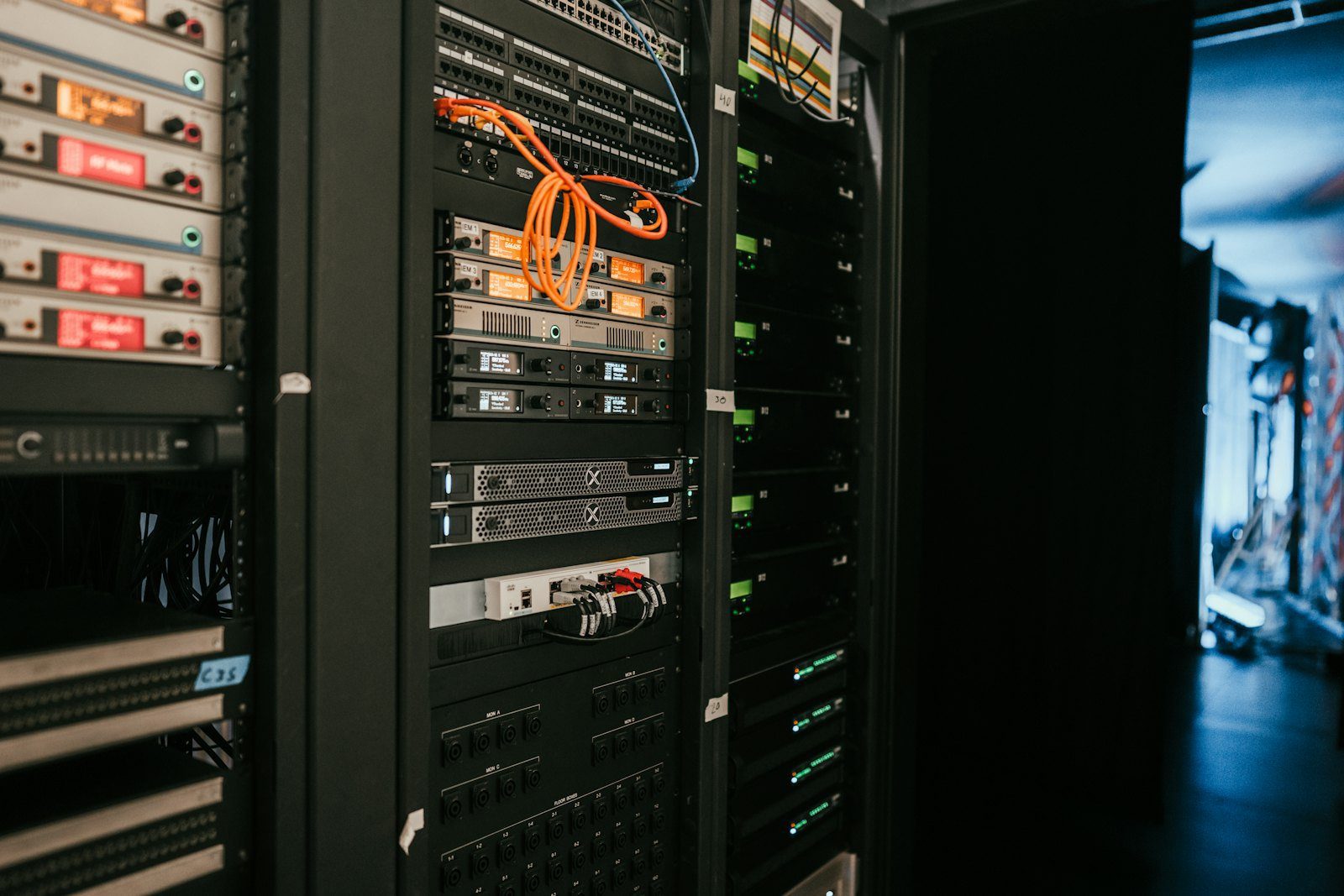
The recorder was in the room that got burgled. If the NVR sits on an open shelf next to the back door, a competent thief takes it with them. Recorders belong in a locked space, ideally with footage also going somewhere else.
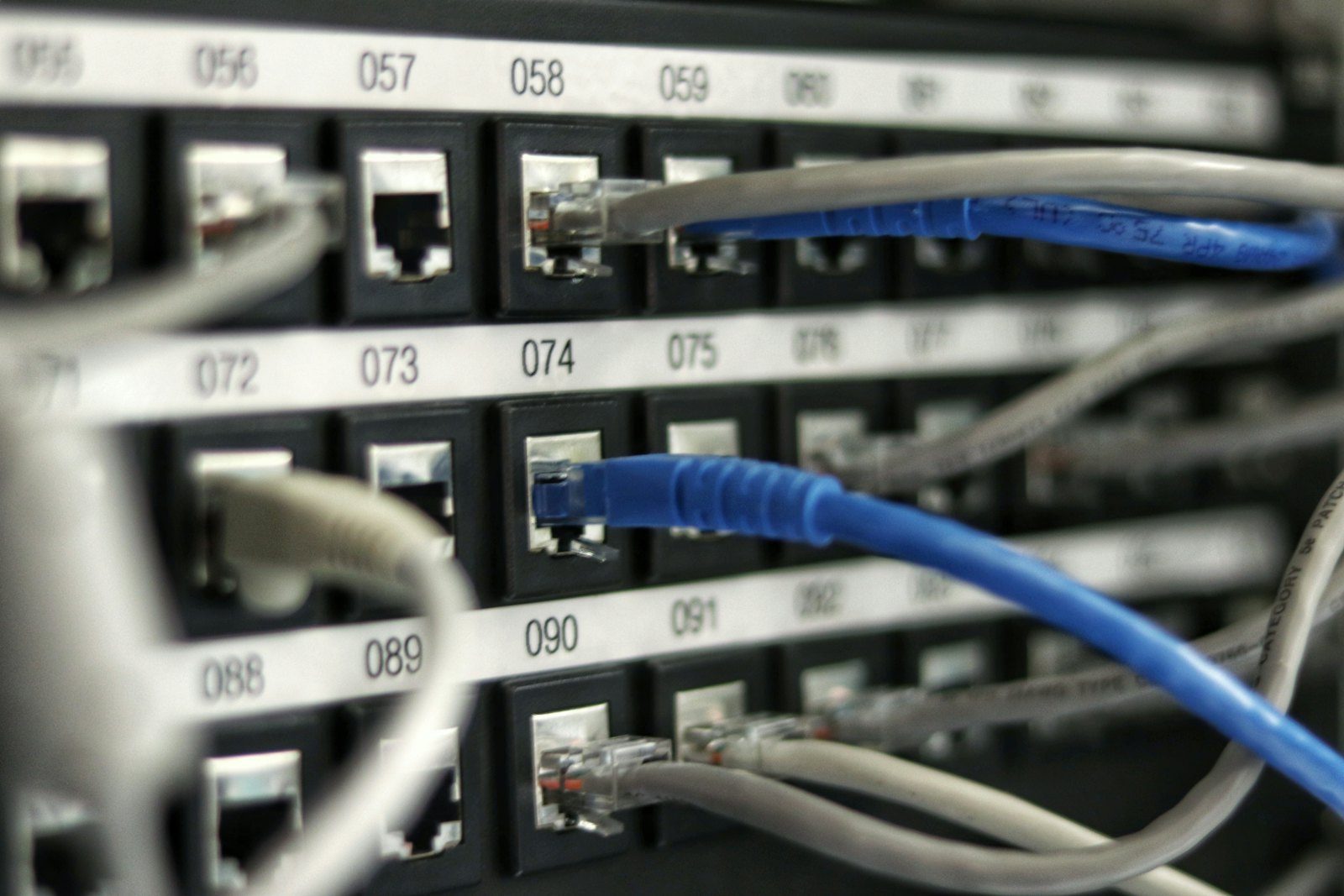
Nobody checked it was still recording. Drives fail. Cameras drop off the network after a power cut. Without a monitored health check, the first time you discover a gap is when you need the footage.
Ask your installer a simple question: if there were an incident at your busiest entrance at 9pm last Tuesday, could you produce usable footage today? If nobody can answer confidently, that is your gap.
The parts people skip
Lighting
Infrared gives you a monochrome image. It will show you that a person was present and what they did; it will rarely give you clothing colour or a reliable face. Where identification matters, budget for lighting, not just for a camera with a longer IR range on the box.
Data protection
CCTV records personal data. In practice that means signage at every entrance, a documented retention period you actually keep to, a named person responsible, and a process for handling a request from someone who appears in the footage. None of it is difficult. All of it is embarrassing to be missing if a complaint is ever raised.
Getting footage out
Test the export process before you need it. Some systems produce files that only play in a proprietary viewer, which is awkward when the person who needs them is a police officer or a loss adjuster. Find out now, not later.
A reasonable standard
- A survey that identifies what each camera is for — detect, recognise, or identify — before anything is quoted
- Thirty days of retention as a minimum, calculated from actual resolution and frame rate rather than guessed
- The recorder secured, and critical footage copied off site
- Monitored health checks, so a failed camera raises an alert rather than a silence
- A documented export procedure that someone has actually run
None of this makes the system dramatically more expensive. It makes the difference between a deterrent and an asset.
Filed under